
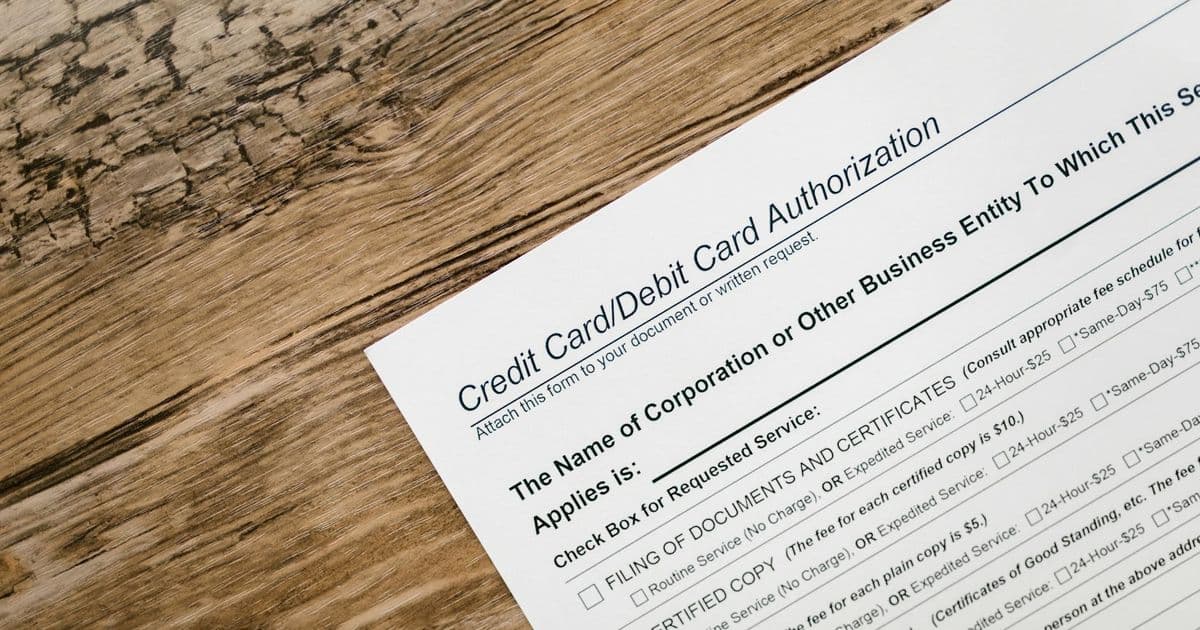
Prior Authorization for Therapy: What It Is and How to Handle It
What prior authorization means for mental health, when it is required, how to request it, and how it affects out-of-network superbill billing.
February 20, 2026 · 5 min read · By The Superbilled Team
Prior authorization (PA) is a requirement by some insurance plans to approve specific treatments before they are provided. For outpatient individual therapy, PA is less common than many therapists expect — but when it applies, understanding the process is essential.
What Prior Authorization Means
Skip the manual paperwork. Generate a superbill in 60 seconds, free.
Start freePrior authorization (also called pre-authorization or pre-approval) is an insurer's requirement that a provider obtain approval before rendering a service. Without PA when required, the claim can be denied entirely — even if the service is medically necessary.
When Is PA Required for Therapy?
PA requirements vary significantly by payer and plan type:
- Outpatient individual therapy (CPT 90837/90834/90832): PA is usually NOT required for the first few sessions on most commercial plans. Some plans require PA after 8–12 sessions per year.
- Intensive Outpatient Programs (IOP): Almost always require PA.
- Partial Hospitalization Programs (PHP): Always require PA.
- Inpatient psychiatric hospitalization: Always requires PA.
- Psychological testing (96130–96133): Frequently requires PA.
- EMDR and specialized modalities: PA is not required just because of the modality — bill the underlying CPT code (90837, etc.).
PA and Out-of-Network Providers
For out-of-network providers, PA requirements are rare for standard outpatient therapy. Most OON benefits allow clients to submit superbills without prior authorization. However:
- Some HMO plans require a referral or PA even for OON emergencies
- A few Medicaid managed care plans require PA for OON mental health services
- Always advise clients to call the member services number on their insurance card and ask specifically: "Does my plan require prior authorization for out-of-network outpatient mental health therapy?"
How to Request Prior Authorization
If PA is required, here is the typical process:
- Obtain the PA phone number or portal from the insurer's provider directory
- Gather clinical information: DSM-5 diagnosis, treatment plan summary, frequency and duration of proposed treatment, and medical necessity justification
- Submit by phone, fax, or online portal (varies by payer)
- Allow 3–15 business days for standard review; 72 hours for urgent requests
- Receive a PA number — record it and include it on claims
What CPT Codes Typically Require PA
- 90837 — usually PA-free for first 8–12 sessions on most commercial plans
- 90847 — some payers require PA for family therapy
- 90853 — group therapy often requires PA on managed care plans
- 96130, 96131, 96132, 96133 — psychological testing almost always requires PA
- 90791 — initial psychiatric evaluation is usually PA-free
Appealing a PA Denial
If prior authorization is denied, you have the right to appeal. Submit a written appeal with supporting clinical documentation demonstrating medical necessity. Peer-to-peer review (a call between you and the insurer's medical director) can be highly effective for overturning denials. See the full guide on how to appeal an insurance denial. Under the No Surprises Act and state parity laws, insurers must apply clinical review criteria that are evidence-based and publicly available.
Continuity of Care
Most states have continuity of care laws that require insurers to cover ongoing treatment during a PA review or provider network change. If a client's insurer changes mid-treatment, check your state's continuity of care provisions to protect uninterrupted access.
PA and Superbills
For standard OON outpatient therapy, PA is rarely required — clients submit superbills directly to their insurer without any pre-approval. If PA was obtained (for IOP, testing, etc.), include the PA number in the authorization field on the superbill.
Related Articles
Skip the manual paperwork. Generate a superbill in 60 seconds, free.
Start free